
Workplace Air Monitoring & Exposure Assessments
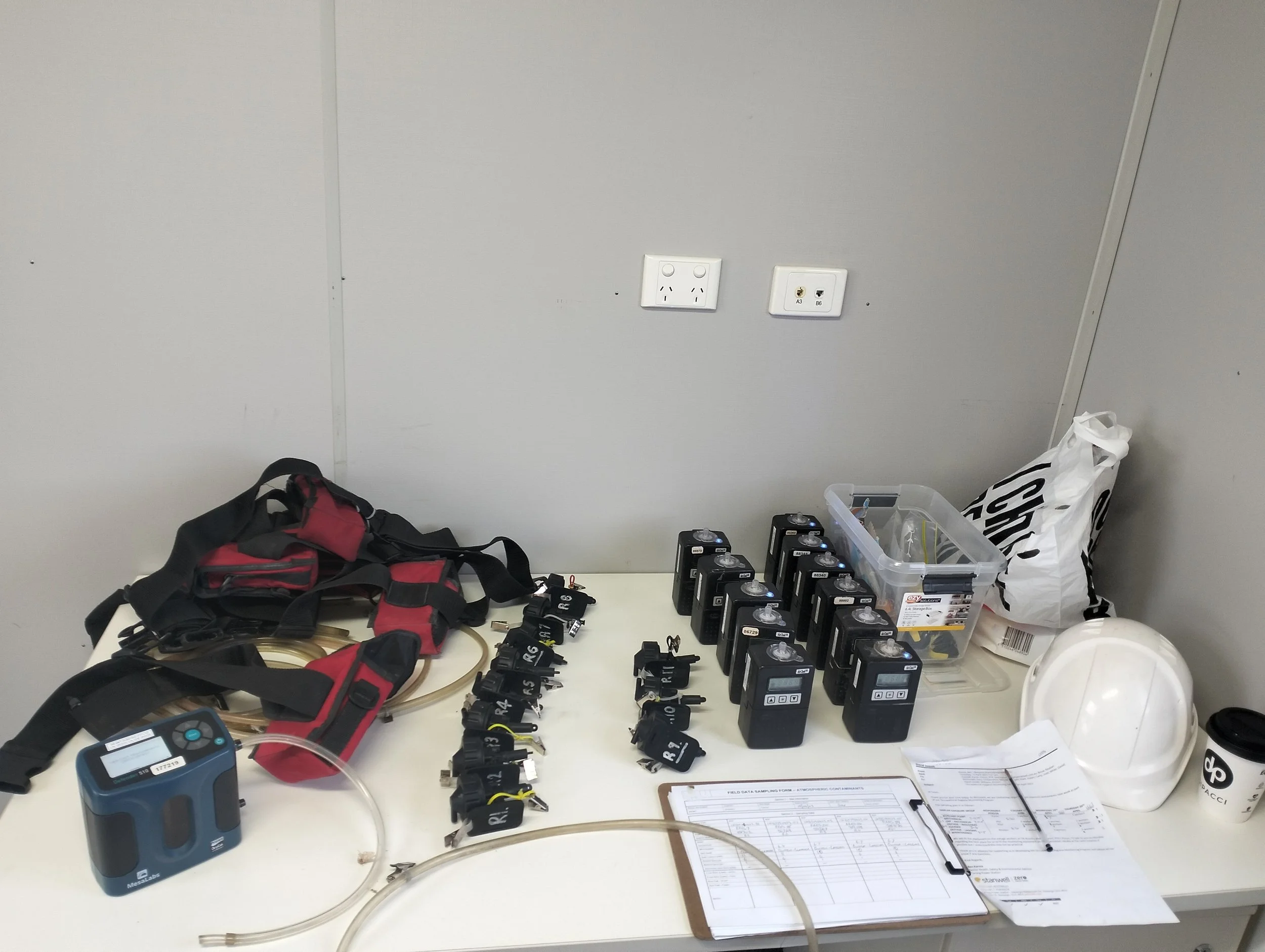
AusCOH provides personal, area and task-based air monitoring to help organisations understand worker exposure to airborne contaminants and determine whether existing controls are effective.
When this service may be required
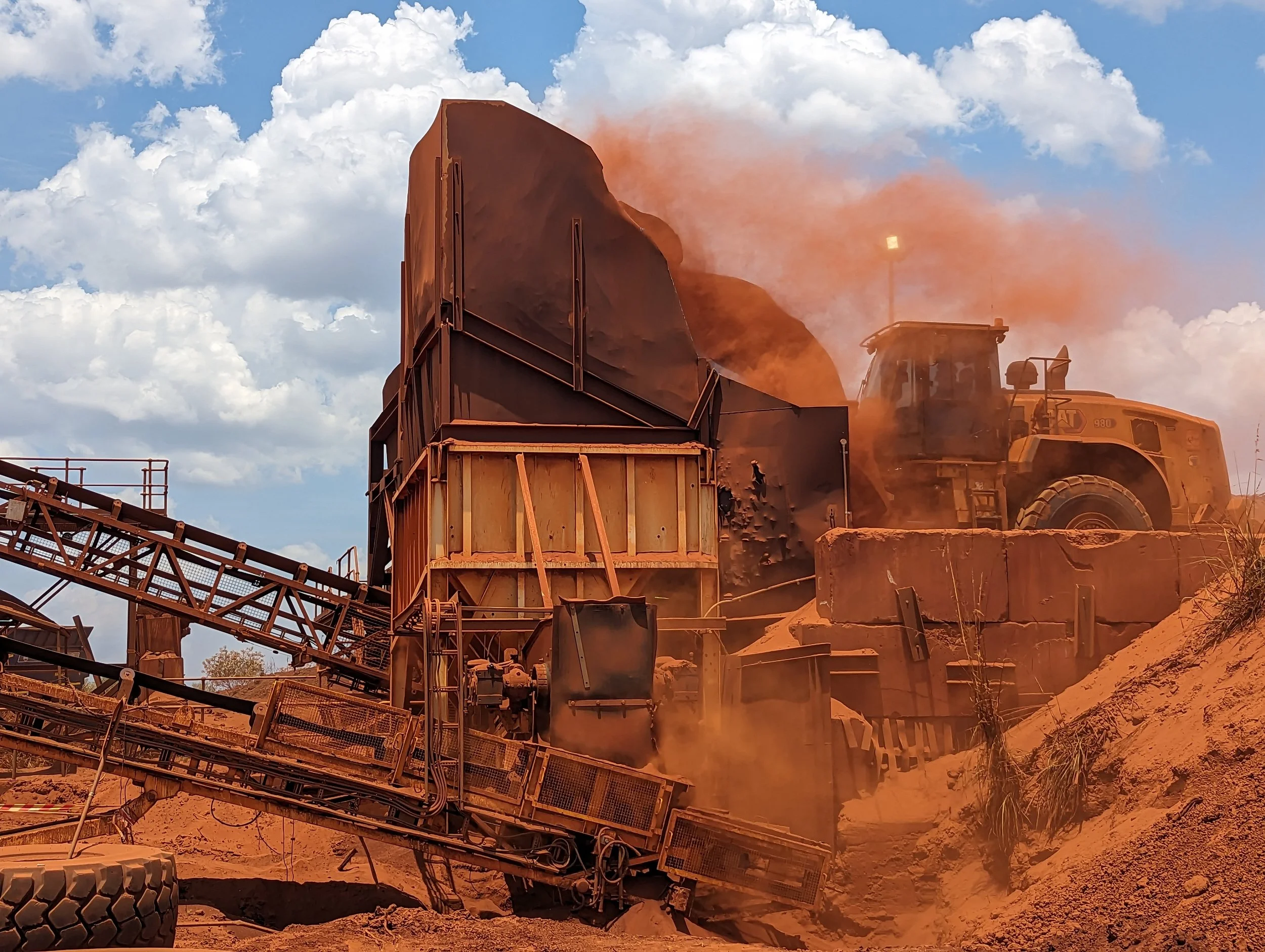
Air monitoring and exposure assessments may be required when workers could be exposed to airborne contaminants such as dusts, fumes, vapours, gases or fibres.
An assessment can help determine whether workplace exposures are being effectively controlled and whether further action is required. Monitoring may also be useful when introducing new processes or materials, investigating worker concerns, reviewing existing controls, or demonstrating compliance with workplace health and safety requirements.
AusCOH can assist with both one-off investigations and ongoing exposure monitoring programs.
What AusCOH assesses
We offer a range of services to meet the needs of every client. Have something else in mind? We'd be happy to work with you to create a custom quote.
-
Inhalable dust (and metals)
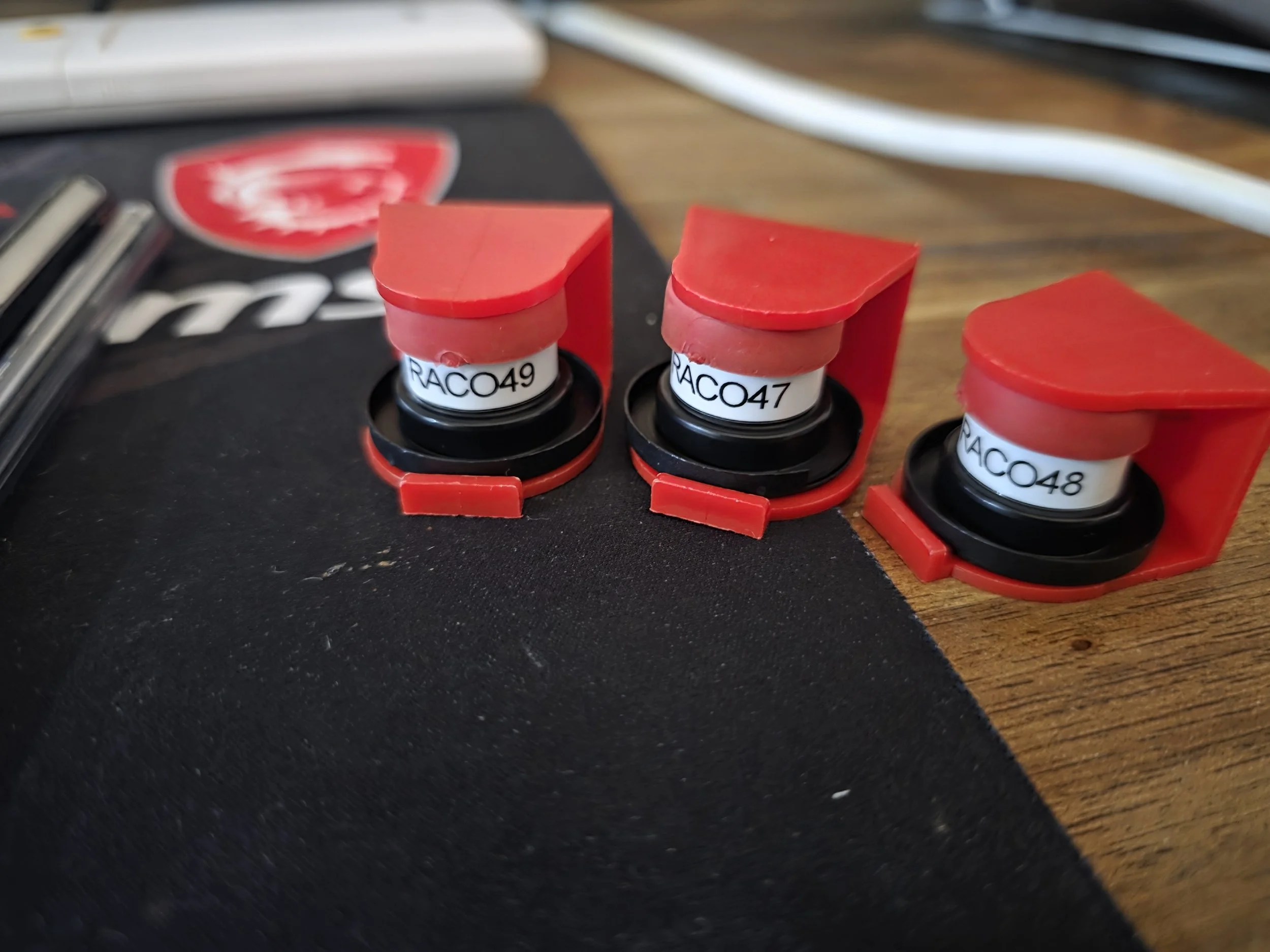
Respirable dust and respirable crystalline silica (RCS)
-
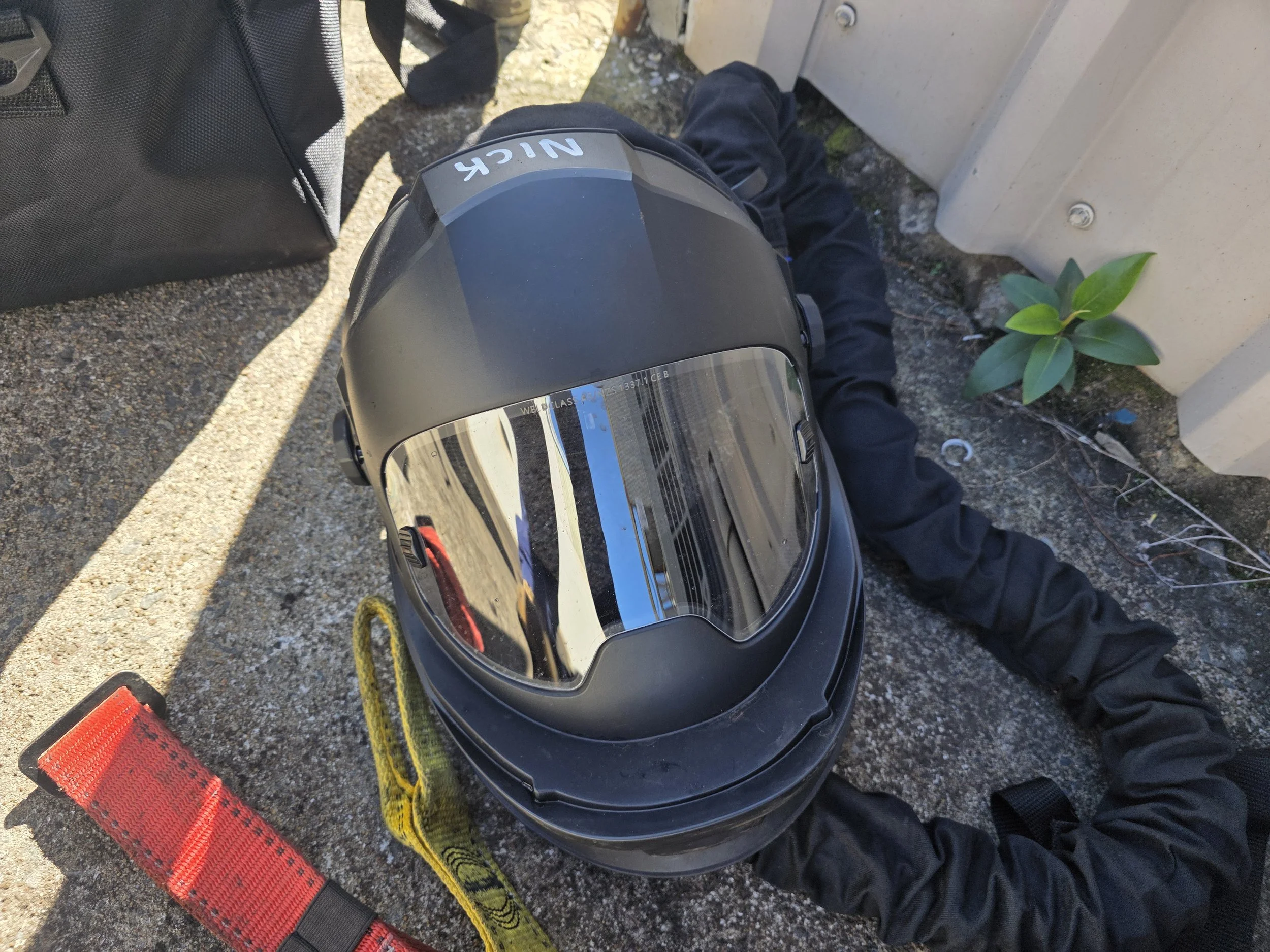
Welding fume
Metals
Gases
-
Asbestos
SMF
-
Volatile organic compounds (VOCs)
Acids
Confined space gases
Isocyanates
-
Get in touch to discuss your process specific issue.
How the assessment works
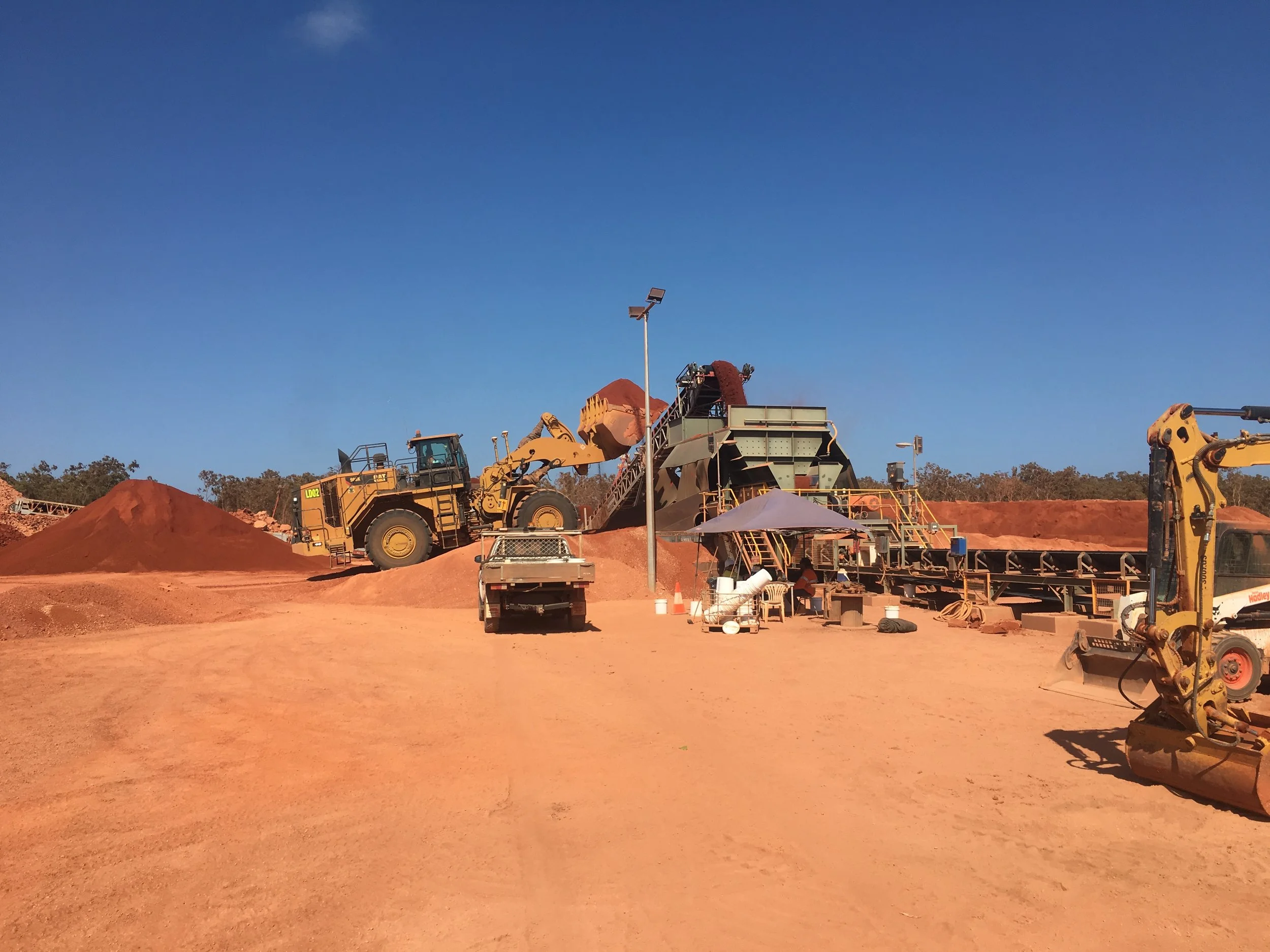
The assessment begins with a discussion about your workplace; the tasks being undertaken and the substances or processes that present an exposure risk.
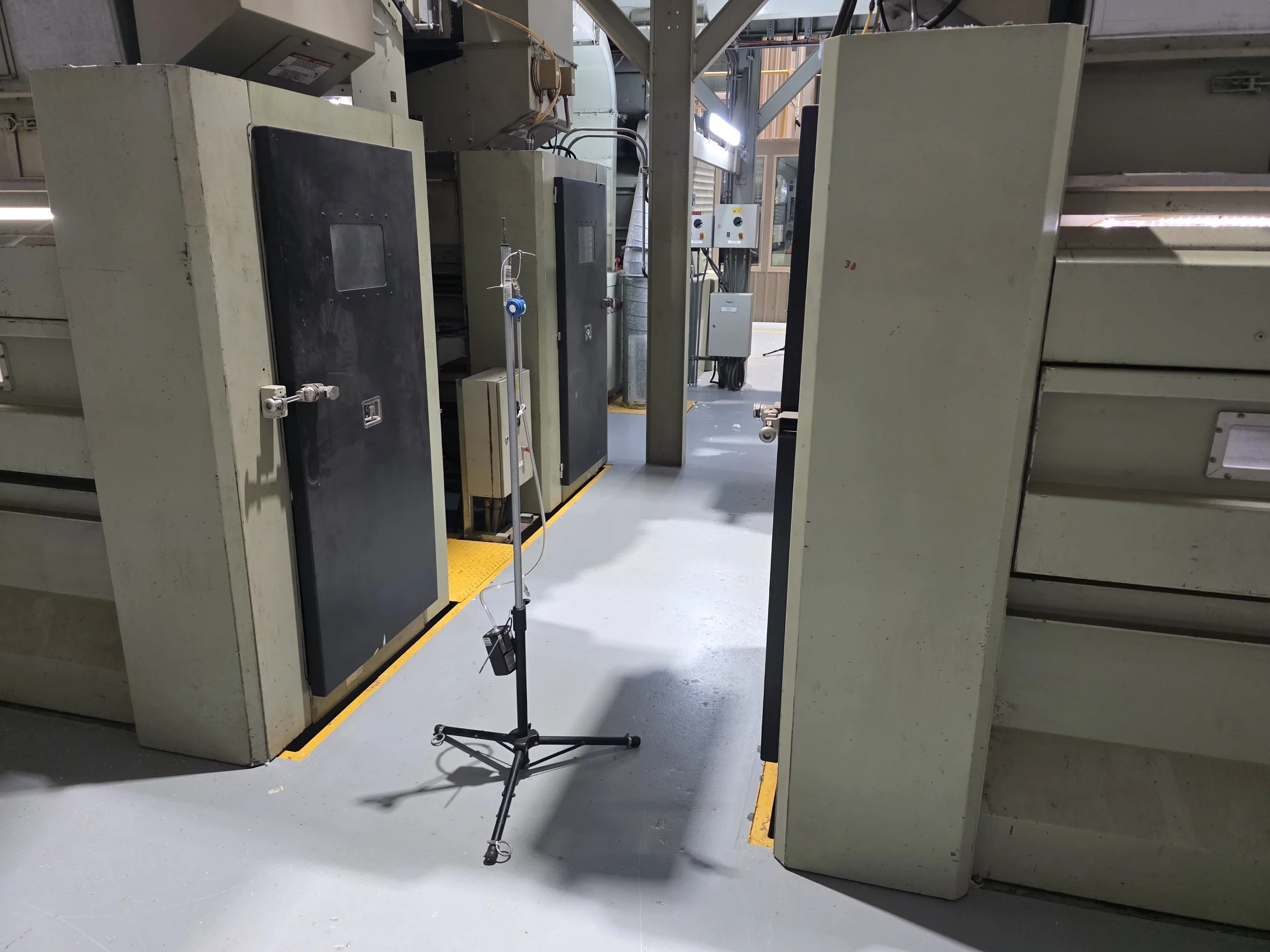
An AusCOH visit to the workplace will observe work activities, identify potential exposure pathways and execute an agreed monitoring strategy. Personal exposure monitoring, static area monitoring or a combination of both may be undertaken depending on the objective of the assessment.
Samples are analysed by a NATA accredited laboratory, the results interpreted against relevant workplace exposure limits, guidelines and occupational hygiene principles.
Importantly, the results are considered in the context of the work actually being performed; not simply presented as meaningless results.
Services may include
Review of processes and exposure scenarios,
Development of a tailored sampling plan,
Personal exposure monitoring,
Static or area monitoring,
Task-based measurements,
Real-time monitoring where appropriate,
Interpretation against relevant exposure criteria,
Review of existing controls, or
Recommendations for further monitoring or controls.
Request an Air Monitoring Quote