
Workplace Noise & Vibration Assessments
AusCOH assesses workplace noise and vibration exposure to help organisations identify high-risk tasks, understand worker exposure and develop practical control strategies.
When this service may be required
Noise or vibration assessments may be required where workers use noisy machinery, tools, vehicles or equipment, or where workplace activities have the potential to generate significant noise or vibration exposures.
Assessments can help investigate worker concerns, identify potentially hazardous tasks, determine whether existing controls are effective, assist with hearing conservation programs or support the selection of appropriate control measures.
Noise assessments may also be required when workplaces, plant or processes change, or where there is uncertainty about whether occupational exposure limits could be exceeded.
What AusCOH assesses
-
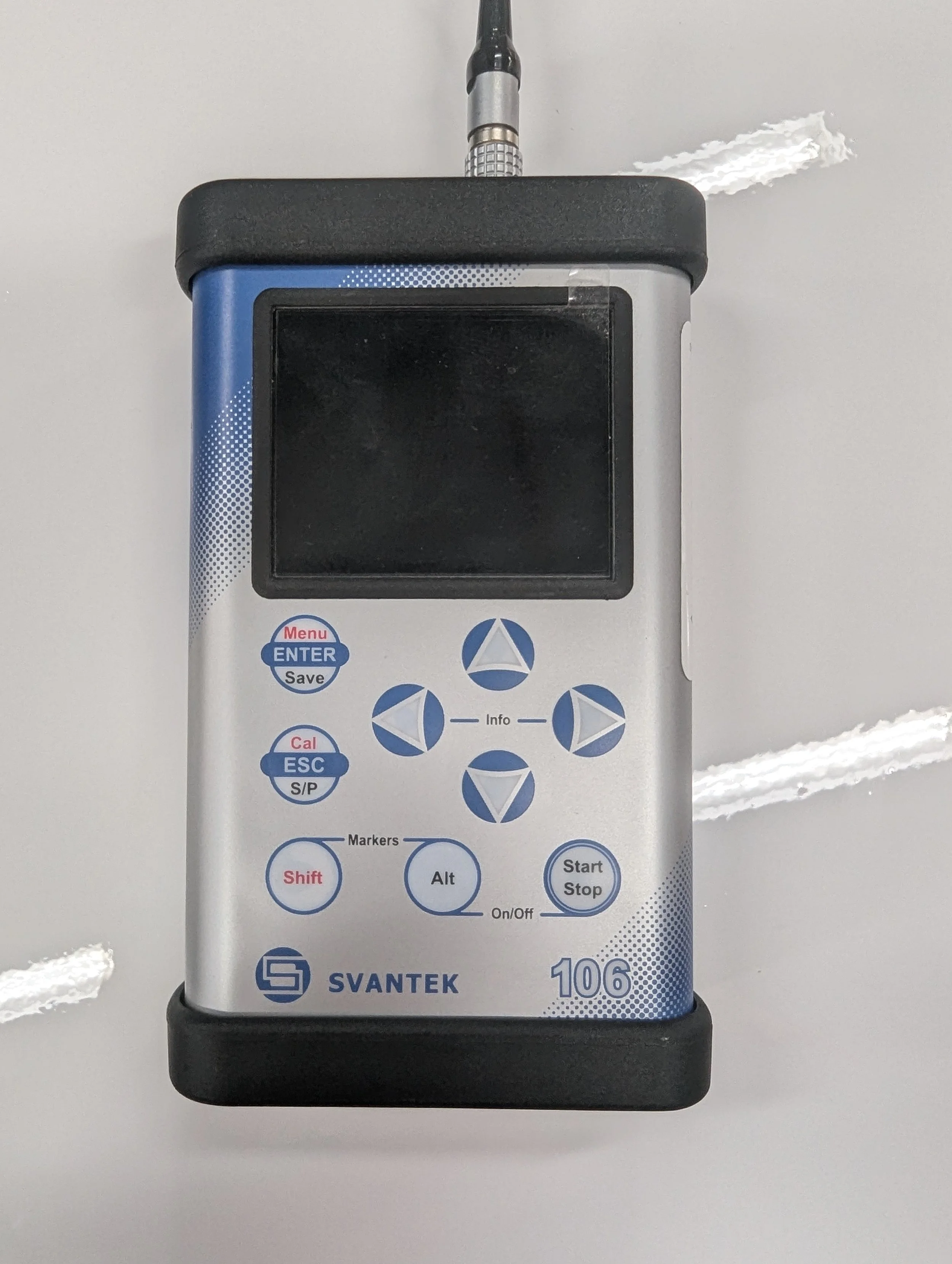
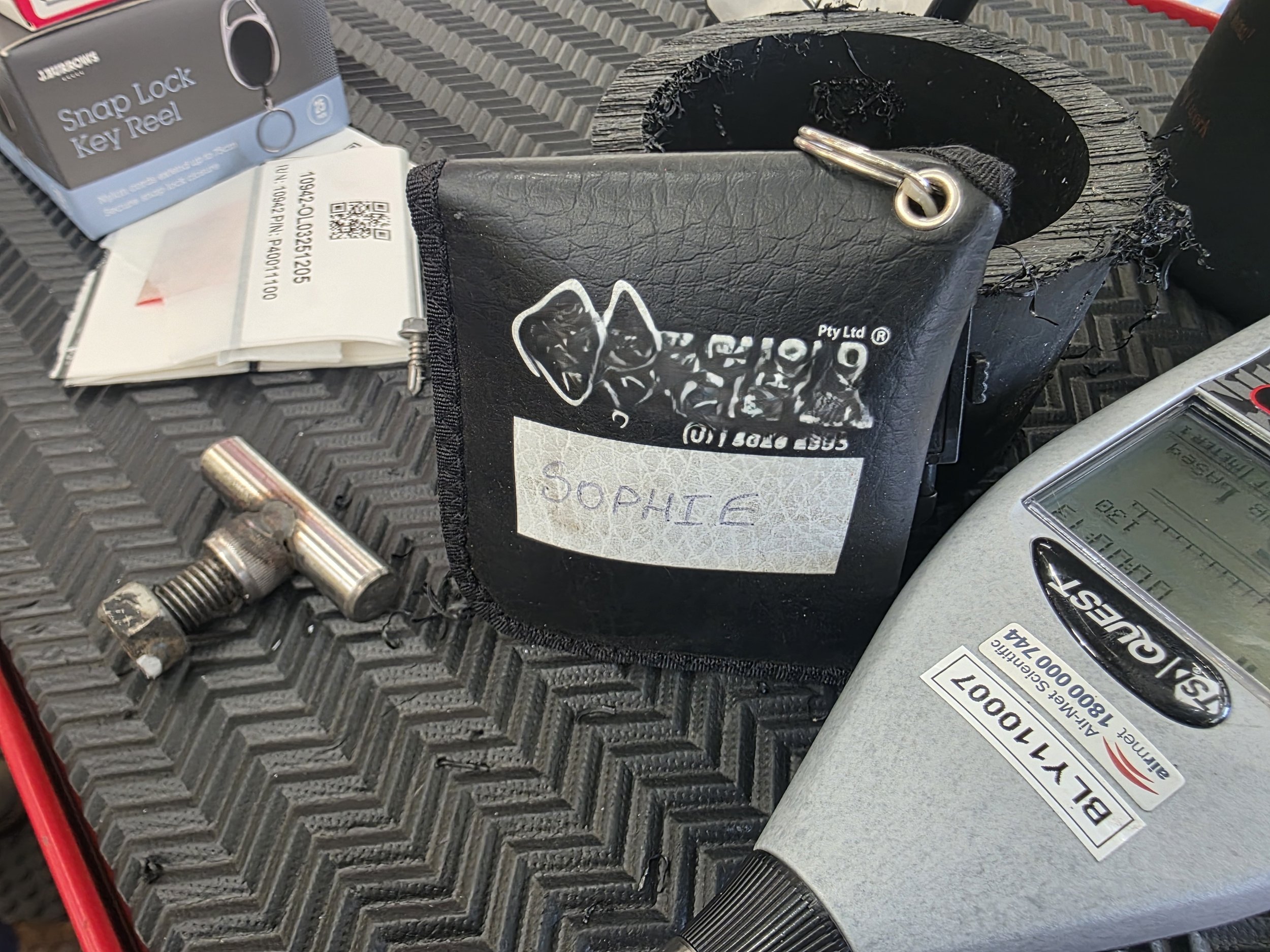
Personal noise dosimetry
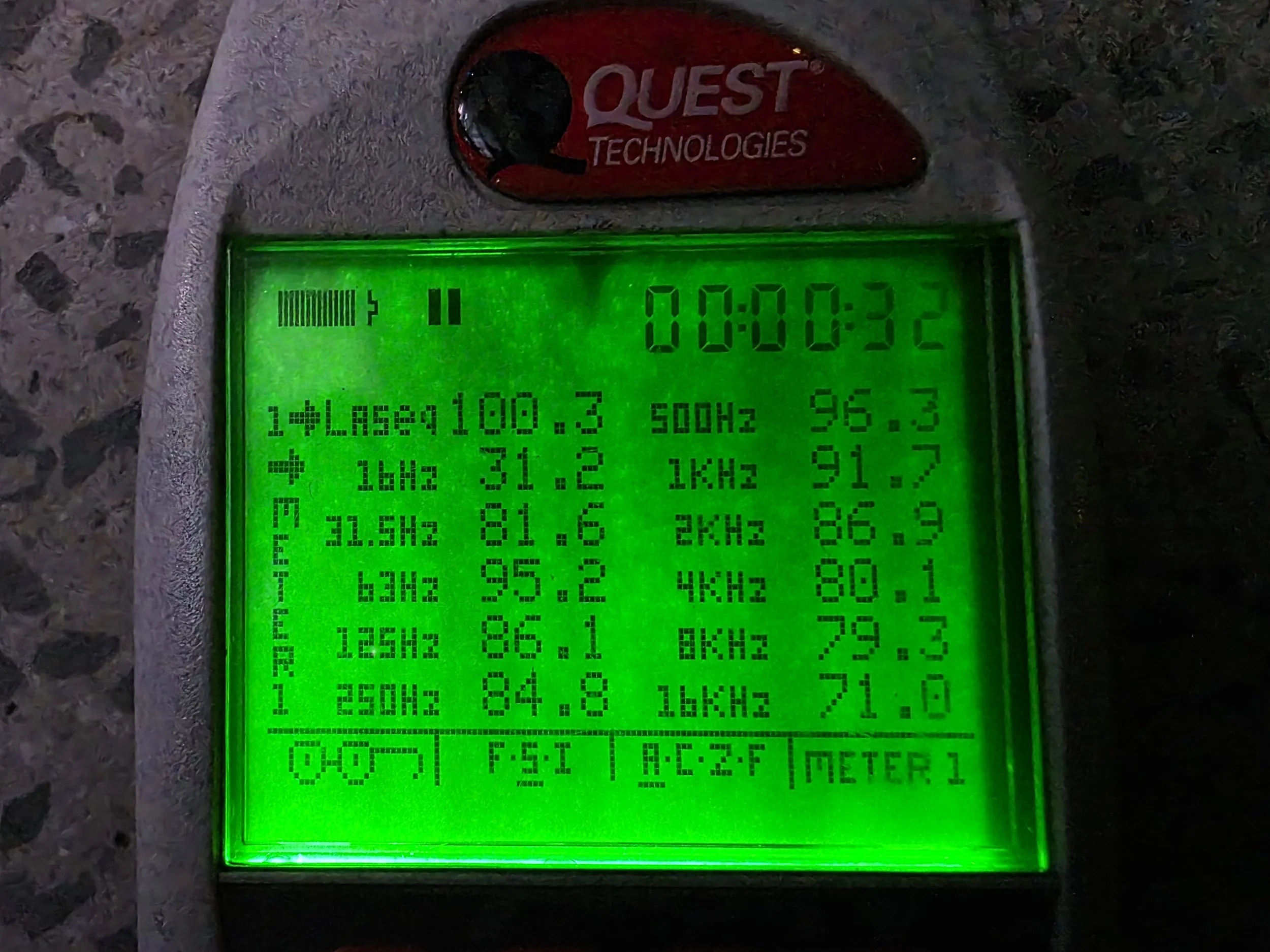
Workplace noise surveys
Task and equipment measurements
Noise mapping
Identification of high-noise activities
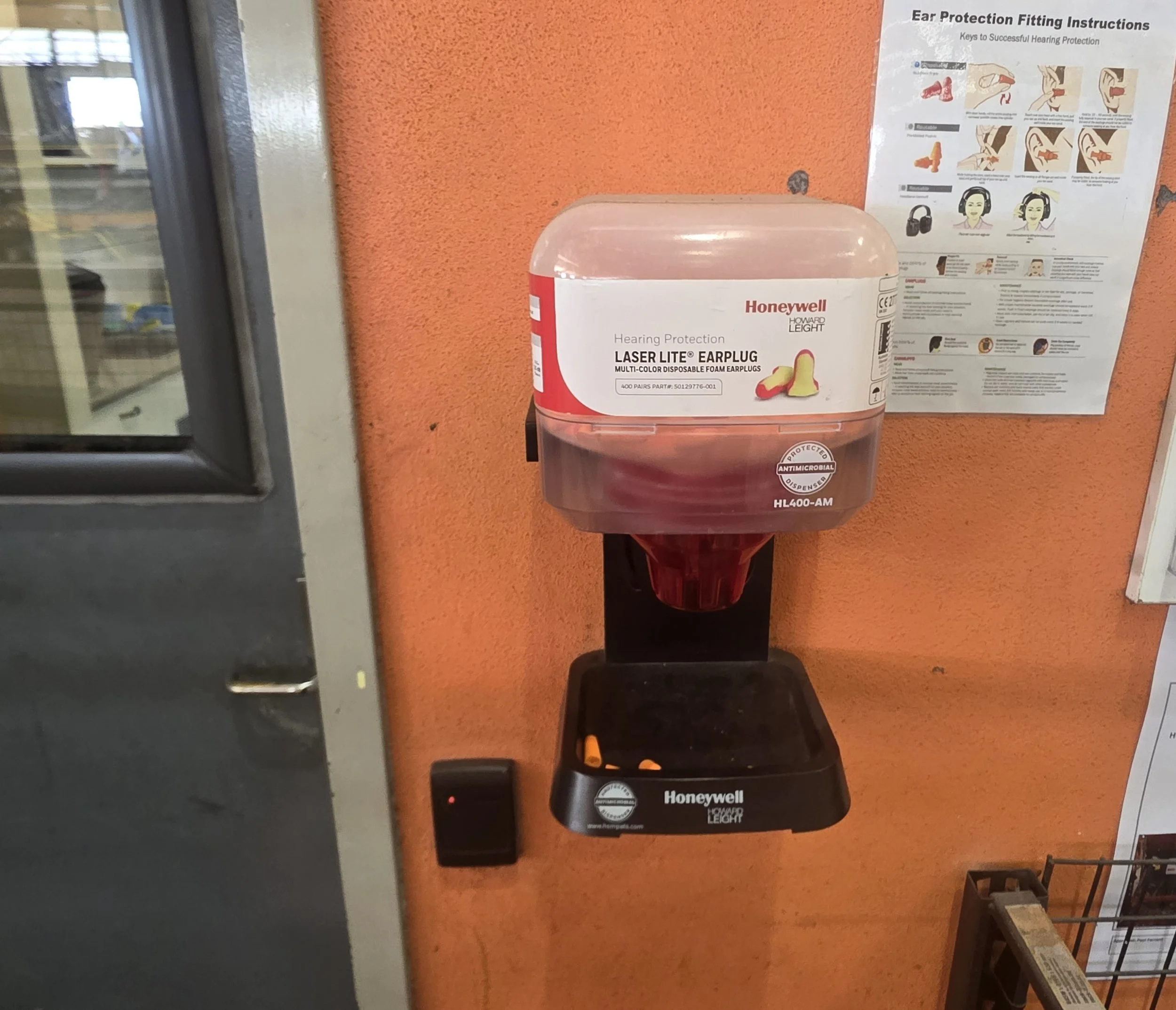
Review of hearing protection requirements
Support for hearing-conservation programs
Practical recommendations for engineering and administrative controls
-
Hand-arm vibration assessment
Whole-body vibration assessment
Task and equipment measurements
Identification of high-exposure tools or vehicles
Review of exposure duration
Recommendations for equipment, maintenance and work practices
We offer a range of services to meet the needs of every client. Have something else in mind? We'd be happy to work with you to create a custom quote.
How the assessment works
AusCOH will first review the work activities, equipment and areas that may contribute to worker exposure.
For occupational noise assessments, this may include personal noise dosimetry, sound level measurements, task-based measurements and observations of how workers interact with equipment throughout their shift.
For vibration assessments, measurements are selected according to the type of exposure, such as hand-arm vibration or whole-body vibration.
Results are evaluated against applicable workplace health and safety requirements and recognised occupational hygiene guidance. Where opportunities for improvement are identified, practical control recommendations are provided with consideration of how the work is actually performed.
Services may include
Review of processes and exposure scenarios,
Development of a tailored sampling plan,
Personal dosimetry monitoring,
Static or area monitoring,
Task-based measurements,
Interpretation against relevant exposure criteria,
Review of existing controls, or
Recommendations for further monitoring or controls.
Request a Noise or Vibration Assessment